
Woodpeckers and Flickers
Gila Woodpecker and Flicker |
Woodpeckers are cavity nesters; they nest in tree holes and here in the Southwest, they make homes in cacti. Woodpeckers are a two parent household where both male and female share incubation and child rearing duties. |
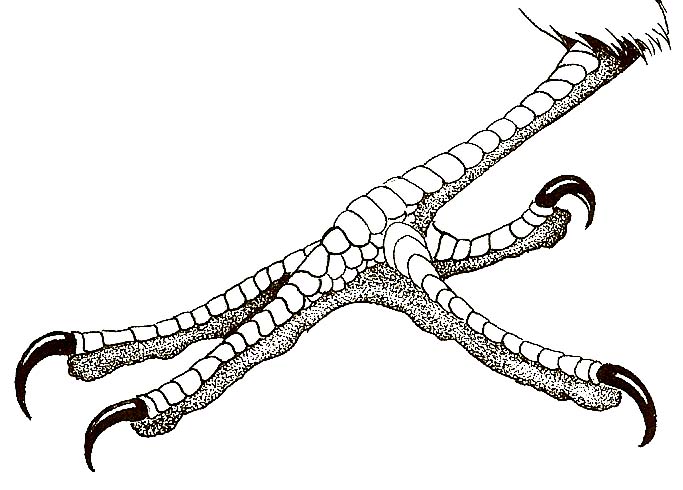
Zygodactl Foot |
|
|
Woodpeckers can be identified by their specific foot design where two toes face forward and two toes face backward. The other two birds that have this foot design are the roadrunner and the cuckoo. |
| The woodpecker's tongue is unique in that it has microscopic barbs on the tip and they touch/taste with their tongues. These tips, though, can get caught in fiber such as terry cloth so only use tightly woven fibers such as a linen dish towel for containment lining. Make sure there are no raveled edges. If the tongue does get caught, don't try to pull it off! You could rip off the barbs and do permanent damage to the bird. | 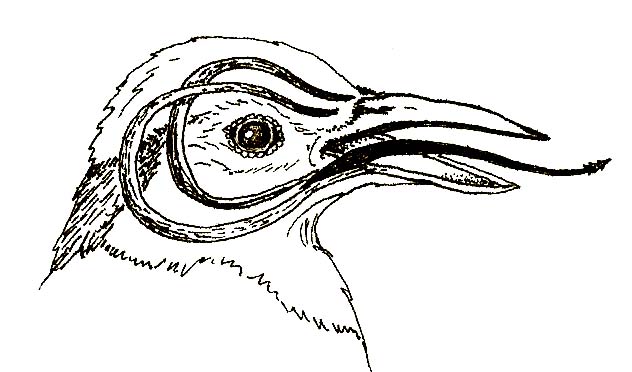 |
Call Wildwing at 480-893-6660 or Liberty Wildlife at 480-998-5550
Gila Woodpecker |
|||
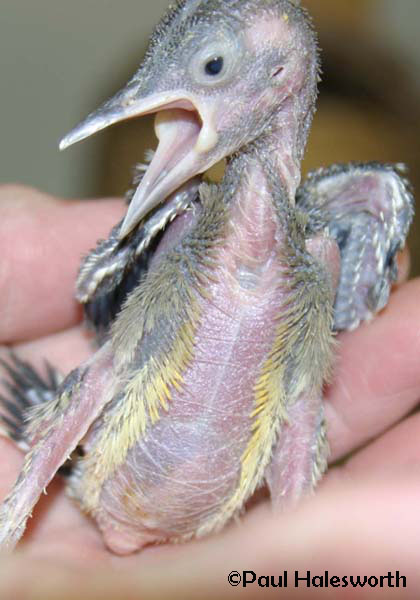
gila woodpecker hatchling |
gila woodpecker hatchling |
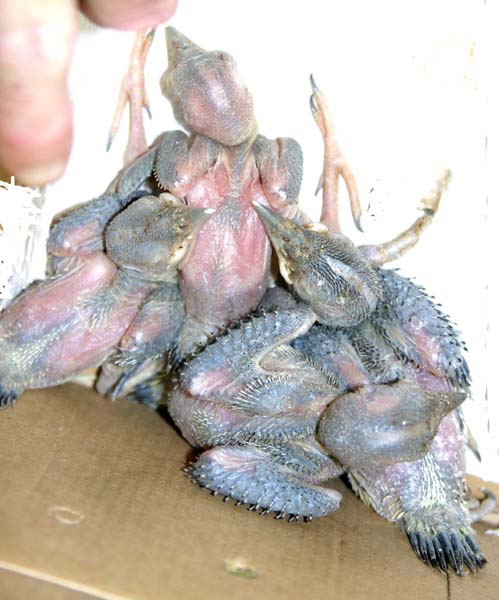
gila woodpecker hatchlings |
gila woodpecker Woodpeckers use those sturdy tails for balance as they climb around a tree |
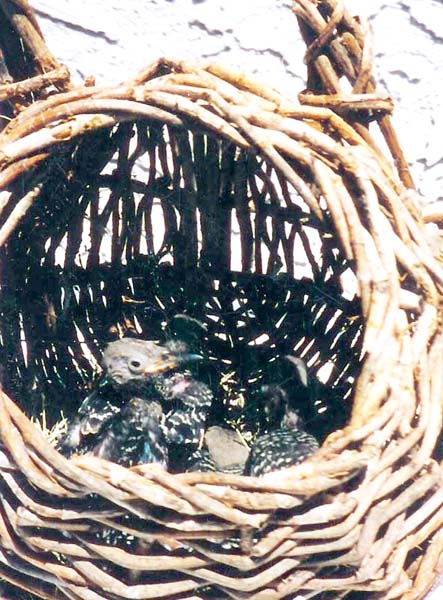
gila woodpecker nestlings |
gila woodpecker fledgling |
 |
 |
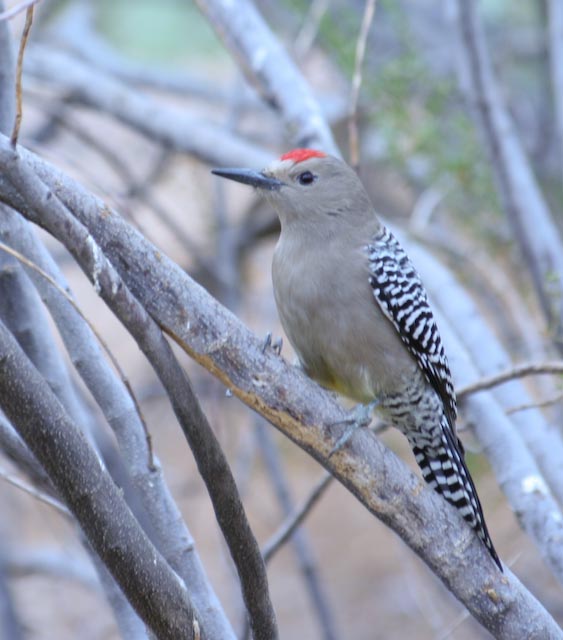
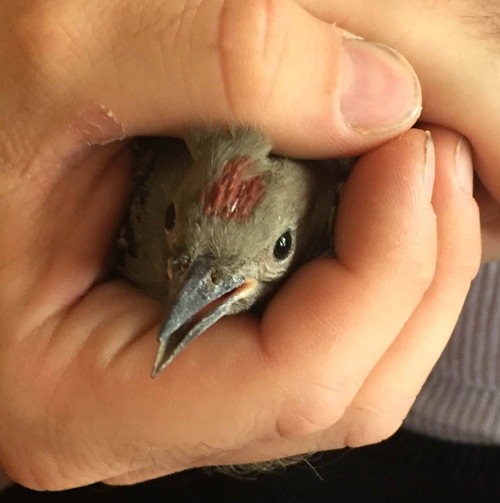
It's easy to see why some people might think a compromised adult woodpecker has a head wound, but the male Gila Woodpecker has a natural red mark on the top of his head. |
|||
|
 |
||


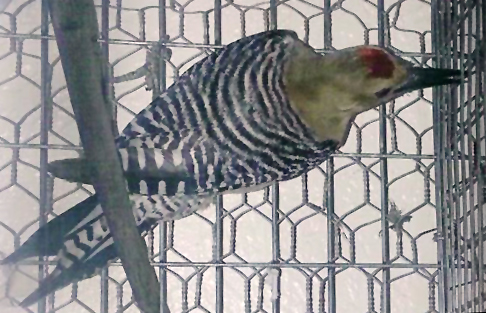
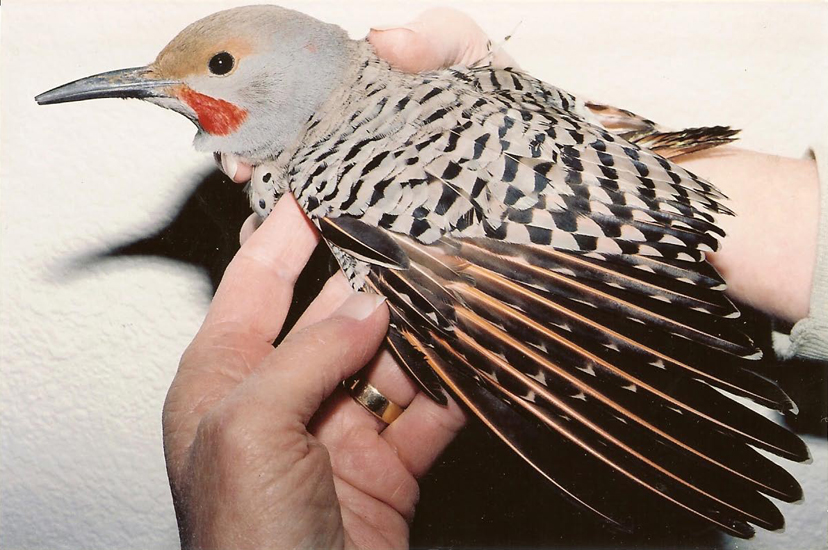
Flicker |
|
 |
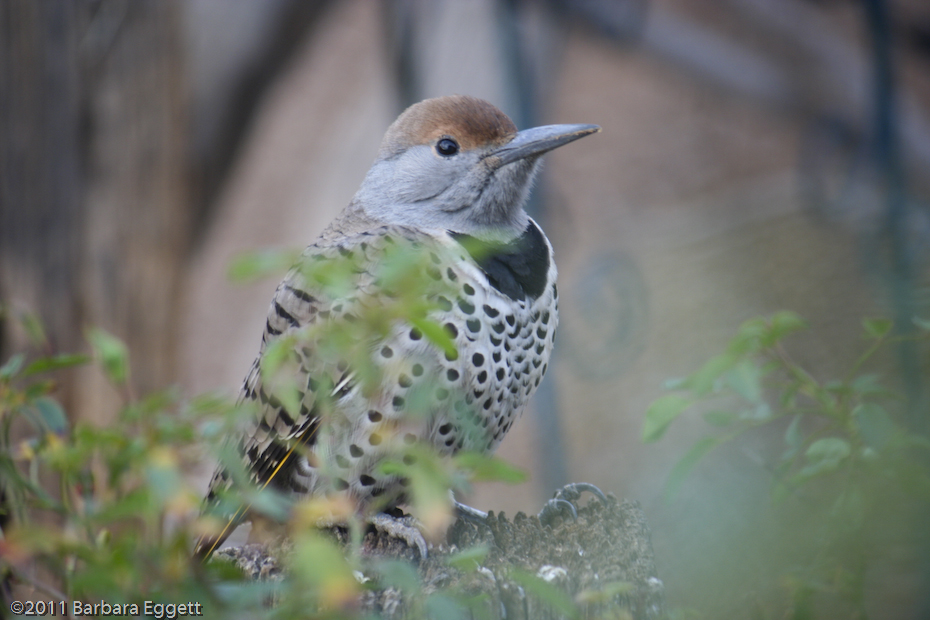 Female Flicker |
 |
You can make a disposable heating pad by putting a cup or two of dry, uncooked rice in a plastic bag or old sock with a knot in the end and microwave it for 45 seconds. |
Last updated
November 1, 2022